
A variety of factors are slowing
the P-C industry turnaround
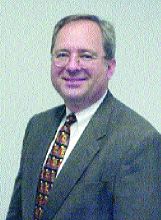 "We need reform of the medical malpractice insurance arena....While we're at it, we need to take a strong and hard look at the overall tort liability system.
--Bernie Heinze, AAMGA Executive Director
That the property and casualty insurance industry is in the midst of a hard market is unarguable, but does the hard market necessarily mean that P-C insurers have seen the light at the end of the tunnel in terms of profitability? In past hard markets, increasing prices have helped the insurance industry experience a turnaround from soft market excessive competition. Will that be true now?
Recently, Steve Dreyer, credit analyst and insurance practice leader for Standard & Poor's, addressed those questions, pointing out what he perceives as potential barriers to insurers capitalizing on the current strong and unprecedented pricing environment.
Speaking before a meeting of the Council Insurance Agents and Brokers (CIAB), Dreyer said those barriers include losses stemming from: asbestos and environmental liability; directors and officers liability business; uncollectible reinsurance; backlash from abuses of surety contracts; terrorism; deterioration of asset quality; and a struggling economy. Right now, S&P has a "negative" outlook for the property/casualty industry. He added, however, that, if prices remain strong throughout 2004 and if the negative factors he mentioned are moderated, then S&P might change its assessment of the industry to "stable."
Bernie Heinze, AAMGA executive director, says he agrees that the factors Dreyer mentioned are indeed slowing down a turnaround of the property/casualty business, but he adds three more--the current malpractice situation, the need for tort reform, and the deteriorating condition of the investment market.
"We have a situation in which, in certain states, doctors are leaving their practices or severely curtailing the procedures they are willing to perform," says Heinze. "Premiums are rising because of high jury awards and physicians and hospitals are finding it difficult to pay the increases. We need reform of the medical malpractice insurance arena. Some states have acted to establish caps on non-economic damages, such as pain and suffering and punitive damages. That would go a long way to help the problem.
"While we're at it," continues Heinze, "we need to take a strong and hard look at the overall tort liability system. We have to make sure that injured parties are compensated, rather than just [those in] the legal profession."
Addressing the issues of reinsurance collectibles, Dreye, struck a somber note. "Take a look at the huge reserve increases that are being announced by insurers every day for asbestos and environmental losses. In one breath, they are announcing staggering multi-billion reserve increases, and then they tell us ... 'don't worry; our reinsurers will pick up nearly all of our losses.' We at S&P are not convinced that reinsurers of these policies written many years ago--if they even exist today--are going to be so agreeable. Although most ceding companies have acknowledged and accounted for reinsurers being unable to pay, they have not accounted fully for the likelihood that these claims might be disputed by the reinsurers."
Heinze says that the potential effects of reinsurance collectibles on the property/casualty marketplace are not yet clear. He says that reinsurers that are members of AAMGA have fulfilled their obligations and that there is every reason to believe that they will continue to do so. As for insurers adding to surplus, Heinze says that is a healthy sign. Prior to September 11, 2001, insurers were in a sound position regarding surplus," says the AAMGA executive director. "That helped them pay off September 11 claims. Now, they are determined to rebuild that surplus and that's a positive thing."
Dreyer said that uncertainties regarding the new terrorism act remain a problem for the P-C industry, and Heinze agrees. "There's no question that the act has placed additional burdens on MGAs in terms of compliance," says Heinze. "Nevertheless, MGAs are meeting their responsibilities."
Dreyer went even further, questioning the effectiveness of the act itself. "There are so many loopholes in the Terrorism Risk and Insurance Act that terrorism remains a major wild card for the industry," he said. "The federal backstop has provided psychological support but not strong financial support for insurance underwriters, which can have no foundation for accurate assessment of the risk. Also, it seems that those who really need the coverage either aren't buying or aren't buying enough because of the high cost."
Heinze says that, with all these uncertainties, it is becoming more essential for the industry to move forward, not only in terms of underwriting risks but of managing them as well. He said he is encouraged by what he experienced on a recent trip to London, where he and other AAMGA associates had long discussions with Lloyd's executives and executives of non-Lloyd's companies, as well as brokers and other MGAs.
"The London market is determined to take advantage of all the opportunities that new technologies and advanced automation have to offer," says Heinze. "For MGAs and for the entire international producer network, this means more efficiency of operation and greater control over the risks we underwrite. It's an exciting time. But we should never lose sight of the importance of building and maintaining strong personal relationships with our underwriters. Relationships and trust are essential to our business," he said. *