Managing risks and exposures
associated with modular construction
By Mark Wooditch
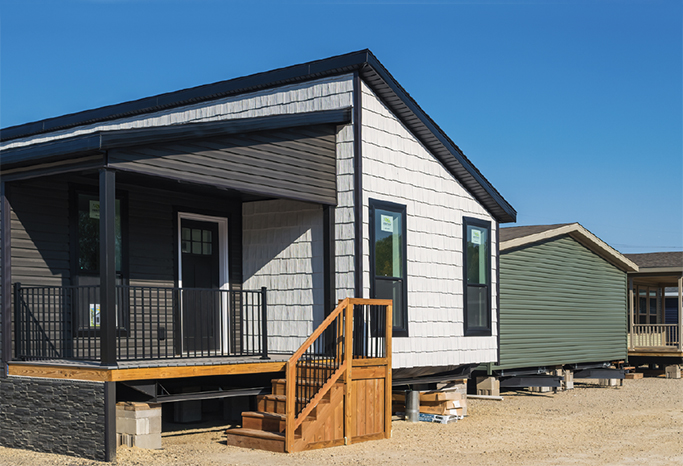
Last year’s wildfires may prove the making of the modular construction industry. After several years of slow growth in niche markets, 2025 brought growth of more than 7% in modular construction, spurred by a variety of factors, including climate disasters, the acute housing and labor shortages and an affordability crisis.
While many regions still prefer the traditional construction model, modular construction is impacting how residential, commercial, and institutional buildings come together across the country.
Yet the new wave of modular construction comes with risks that no one anticipated, and builders and developers can’t afford to ignore the writing on the modular walls.
Unlike traditional projects, where
exposures appear on the job site,
modular construction creates risk
in a variety of locations, from the
factory to the transportation
hubs to the final installation.
Consider risk mitigation strategies
Modular construction is not just a new method of building. It is a major shift in the way structures are designed and built—and that shift comes with new and growing risks. Unlike traditional projects, where exposures appear on the job site, modular construction creates risk in a variety of locations, from the factory to the transportation hubs to the final installation.
Effective risk management strategies must address the full cycle, from initial digital modeling all the way through the grand opening.
For example, consider these areas of risk:
Cyber planning. Integrated planning relying on Building Information Modeling (BIM) allows architects, engineers, and manufacturers to collaborate effectively—but they also bring cyber risk to the team. Firms will need to introduce cybersecurity and data protection protocols to manage these risks properly.
Work injuries. Modular units are built in a factory, which can offer safer working conditions—to a point. Injuries caused by lifting materials inappropriately or environmental exposures connected to components like PFAS (“forever chemicals”) can create risk as well. Risk management plans should include strong workplace safety programs, as well as regular equipment maintenance and compliance reviews.
Transportation. When a final product needs to be transported hundreds of miles without incident, the details become critically important. Work with specialized carriers and rely on detailed route planning to arrange for arrivals without incident. In a worst-case scenario, contingency scheduling can help make up for delays.
Insurance solutions for modular construction
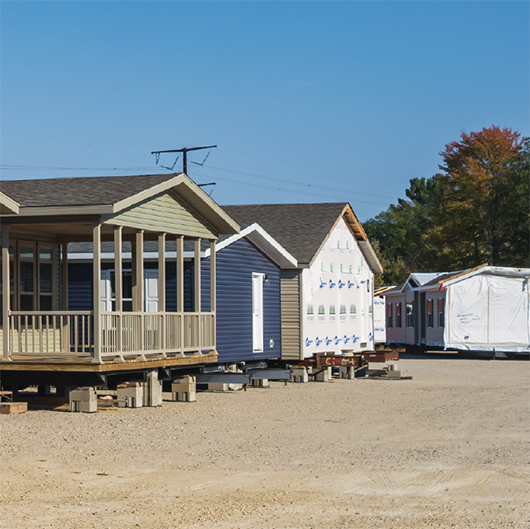
Most construction firms address only the risk that is staring them in the face. They may have coverage to protect the job sites, the workers, and the visitors, but they do not always look beyond that.
With modular construction projects, much of the work is actually done off-site, but that does not mean the risk does not affect your customers or prospects and their projects. In fact, those gaps are often the most expensive, costliest mistakes. Comprehensive coverage for firms adopting modular projects should include:
Builders risk phasing, which adjusts typical builders risk coverage for appropriate modular timelines. Coverage should include off-site fabrication, storage, and on-site assembly.
Inland marine, which protects valuable products and materials during transit by land. Because modules are completed before they ever leave the factory floor, damage during transit is especially impactful.
Environmental liability, which addresses contamination risks, including PFAS and other materials used during production.
Cyber coverage, which is an ever-evolving coverage that kicks in when a cyberattack brings operations to a stop. This could cover the cost of replacing or repairing affected IoT-enabled systems and other data protection risks. This coverage is especially important for modular construction because of the complicated supply chains that develop around these projects.
Workforce risks are a major issue at manufacturing facilities—and the risks are different from those at construction sites. Brokers and agents should ensure that clients apply safety strategies suited to each site type, even if they differ from practices used elsewhere in the client’s operations, and that they can point to falling injury rates as validation of that approach.
As a broker or risk advisor, you play a critical role in helping your clients protect their firms from harm. Whether through risk mitigation strategies or insurance coverage, your industry expertise positions you to help clients prepare the business against risk, secure appropriate protections and set them on a path toward success.
The author
Mark Wooditch is the Los Angeles Orange County construction practice leader for global insurance brokerage Hub International. He spent 30 years at The Wooditch Company, Insurance Services, Inc., with a focus on commercial contractors. In 2023, the practice was sold to HUB.